
Development Update
Why We Chose the Miyota 9039 for Our First Watch
Why the first Vannin Field Watch uses the Miyota 9039 automatic, and how it compares with the Seiko NH38 and the Sellita SW200-1.
When Andy and I started designing our first Vannin Field Watch, one of the biggest decisions was what movement we were going to put inside it.
If you’re into watches, you’ll know how much collectors love debating movements. Swiss vs Japanese; high beat vs low beat; power reserves; accuracy; in-house calibres etc. On and on it goes.
And I’m a collector too, so I get it. I’ve spent hours comparing specifications and deciding whether one watch is better value than another, but when you design your own watch, you see things differently.
We didn’t want to pick a movement because of a famous name or an impressive specification sheet. We wanted something reliable, practical and appropriate for the watch we were making. Something owners would enjoy for years.
After seeing all the options, we chose the Japanese-made Miyota 9039 automatic movement. Here’s why.
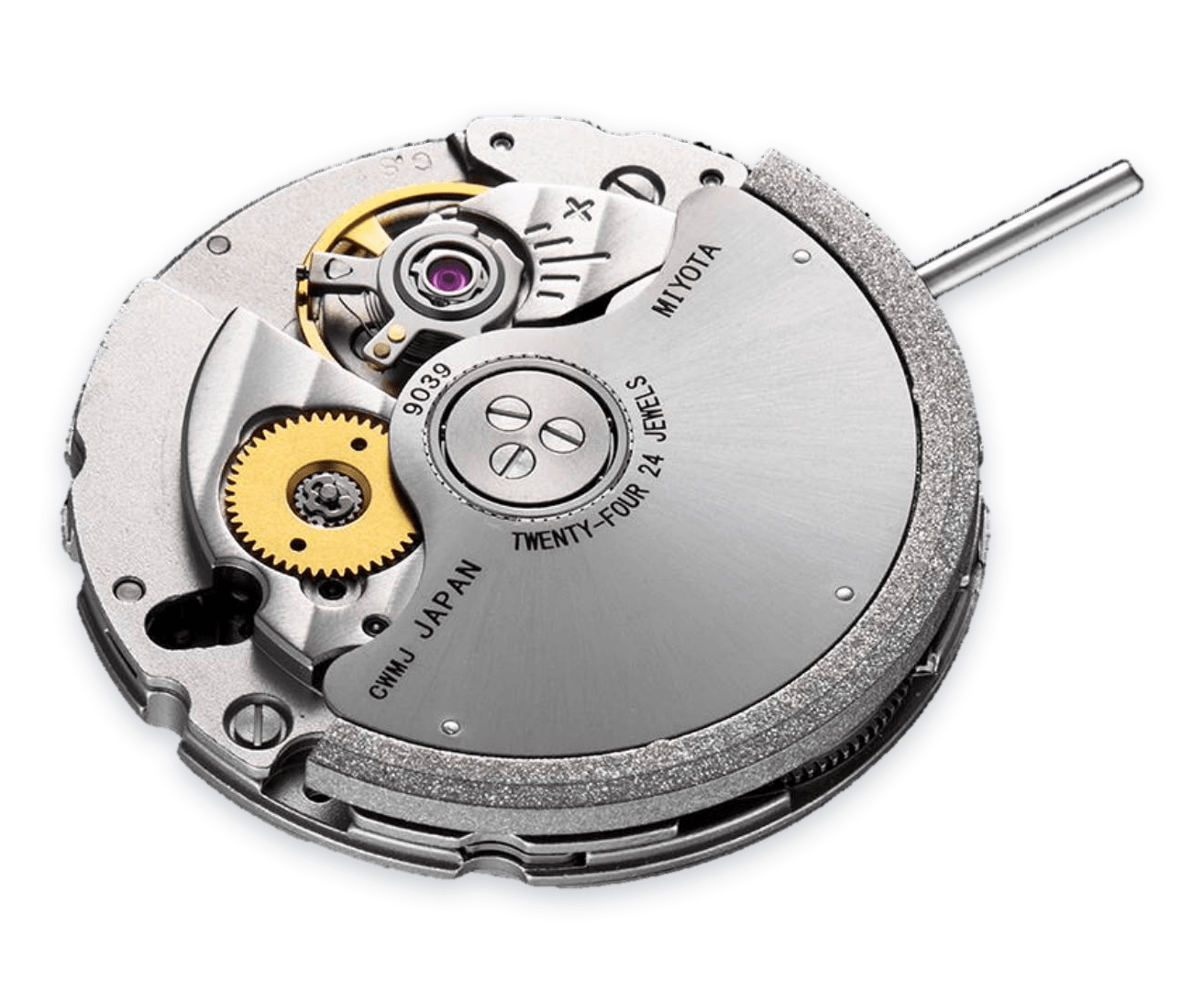
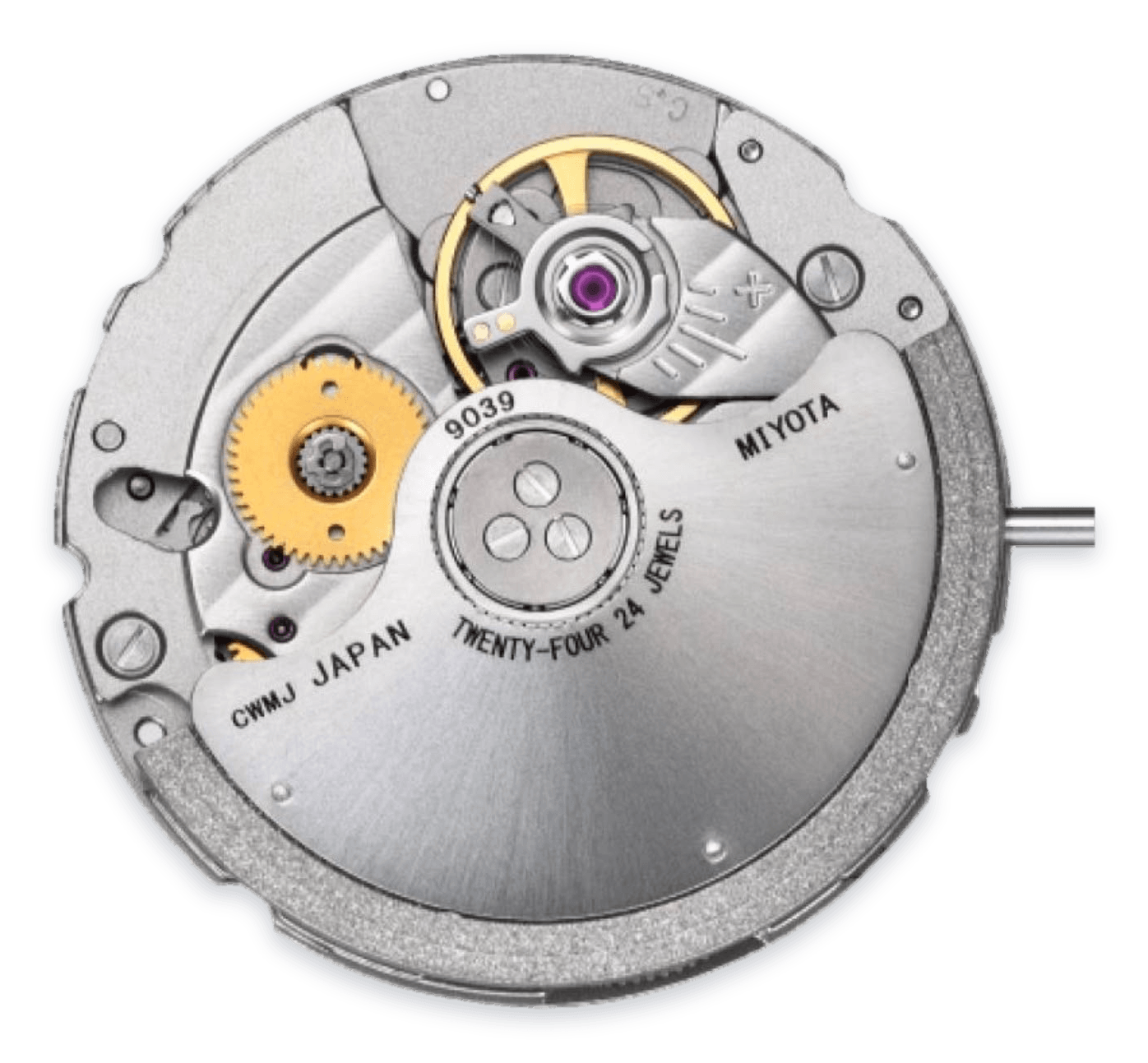
The Miyota 9039 is an automatic mechanical movement from Miyota’s premium 9000 series. Miyota is part of Citizen Group, so there’s a lot of watchmaking experience behind it.
Unlike quartz watches (which use batteries), a mechanical watch stores energy in a mainspring. An automatic movement winds that spring when you move your wrist. That’s one of the things I’ve always liked about mechanical watches — all those tiny parts working together to tell the time. No battery, just clever engineering.
Here are the important figures:
- Movement: Automatic mechanical
- Jewels: 24
- Beat rate: 28,800 vibrations per hour (4Hz)
- Power reserve: Approximately 42 hours
- Thickness: 3.9mm
- Hacking seconds: Yes
- Manual winding: Yes
- Date complication: None
- Stated accuracy: -10 to +30 seconds per day
It’s a capable movement on paper, but some things mattered more to us than others.
We decided early on that the Vannin Field Watch would not have a date window.
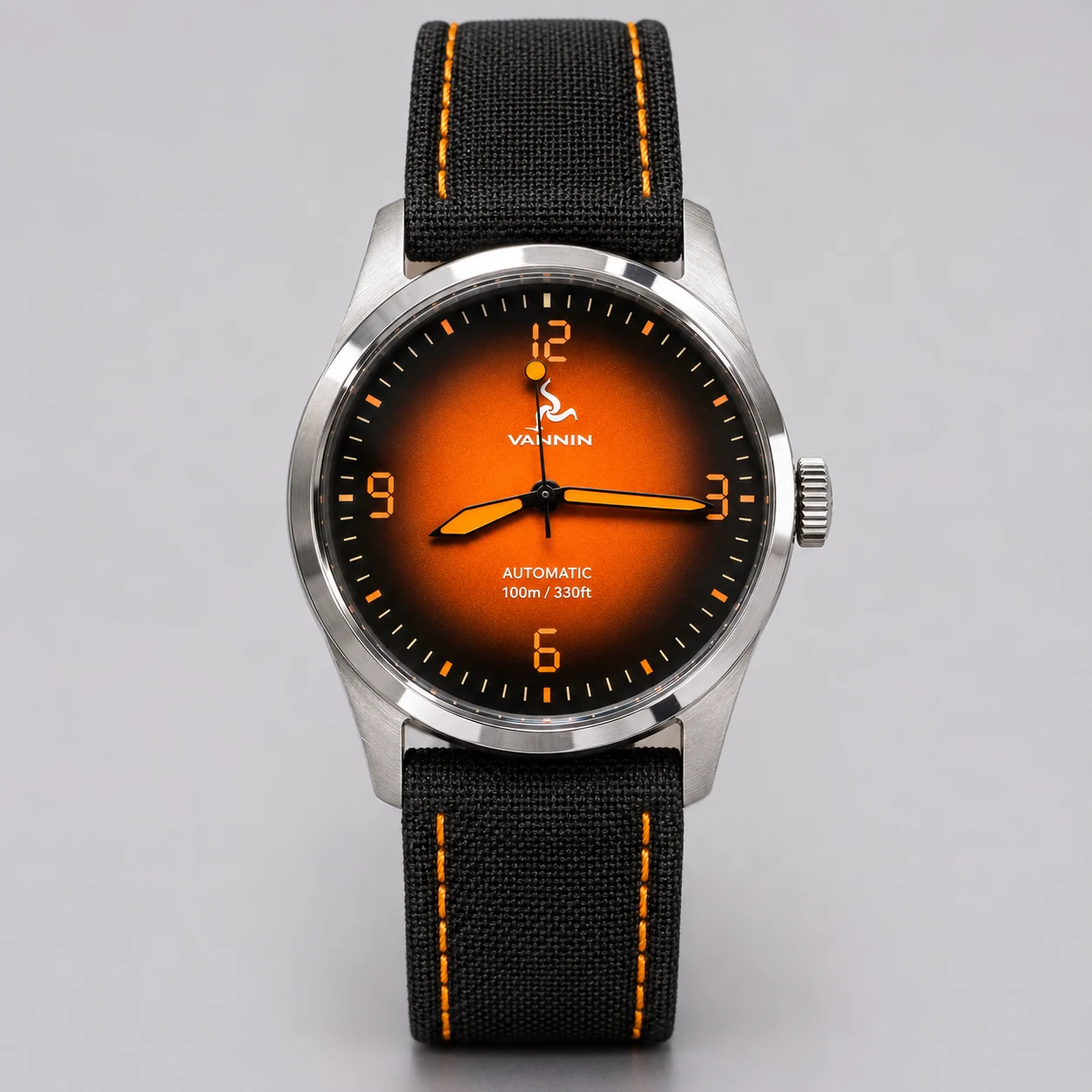
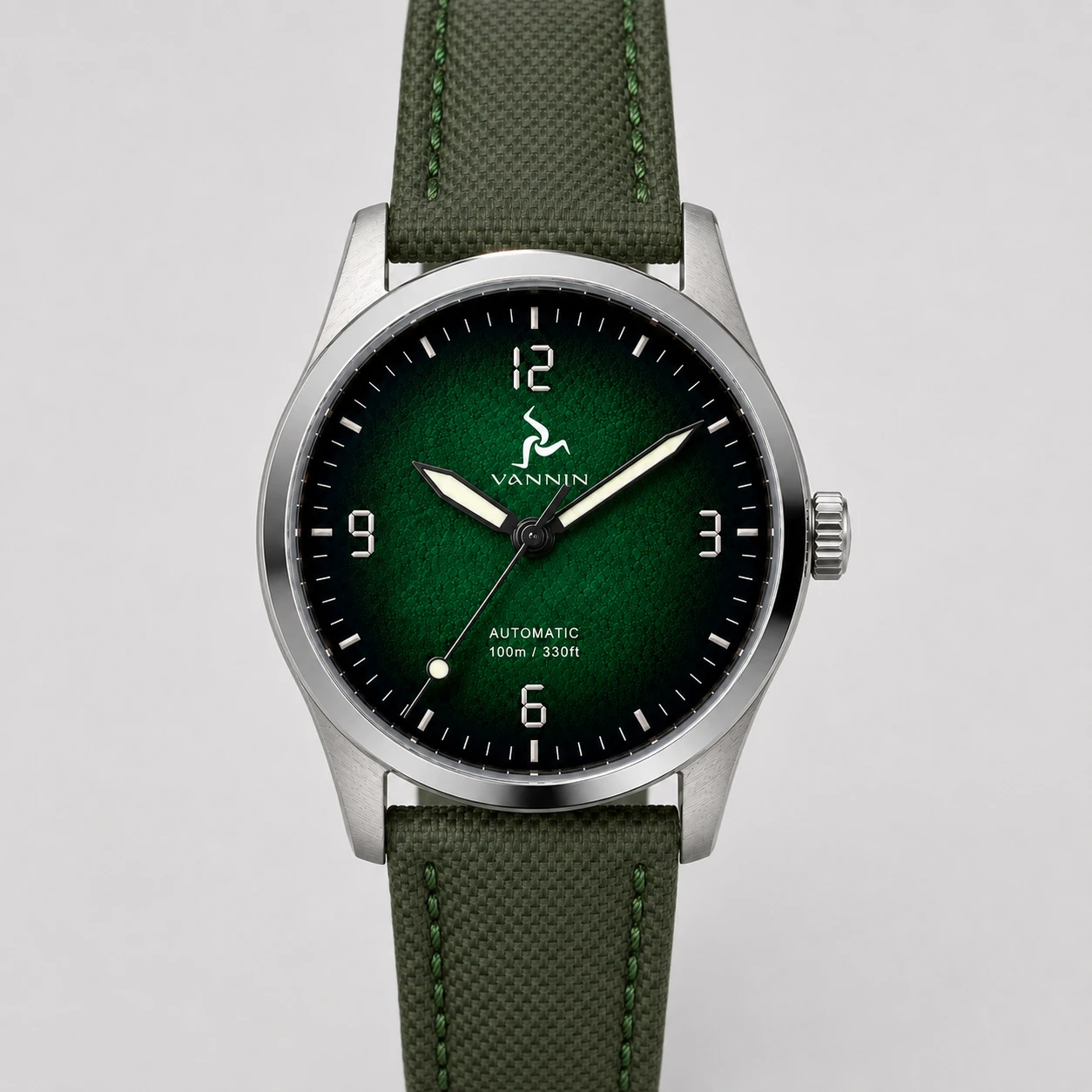
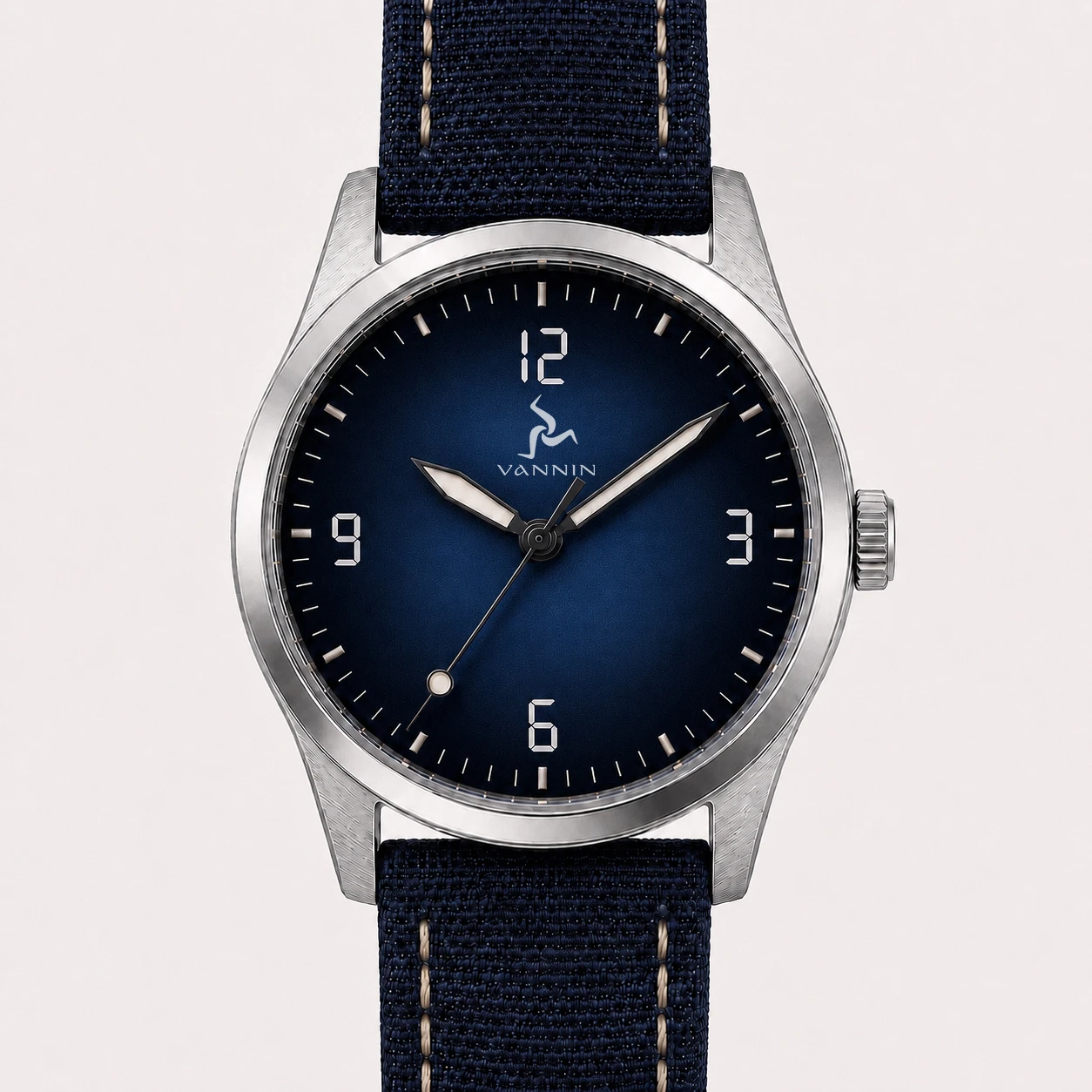
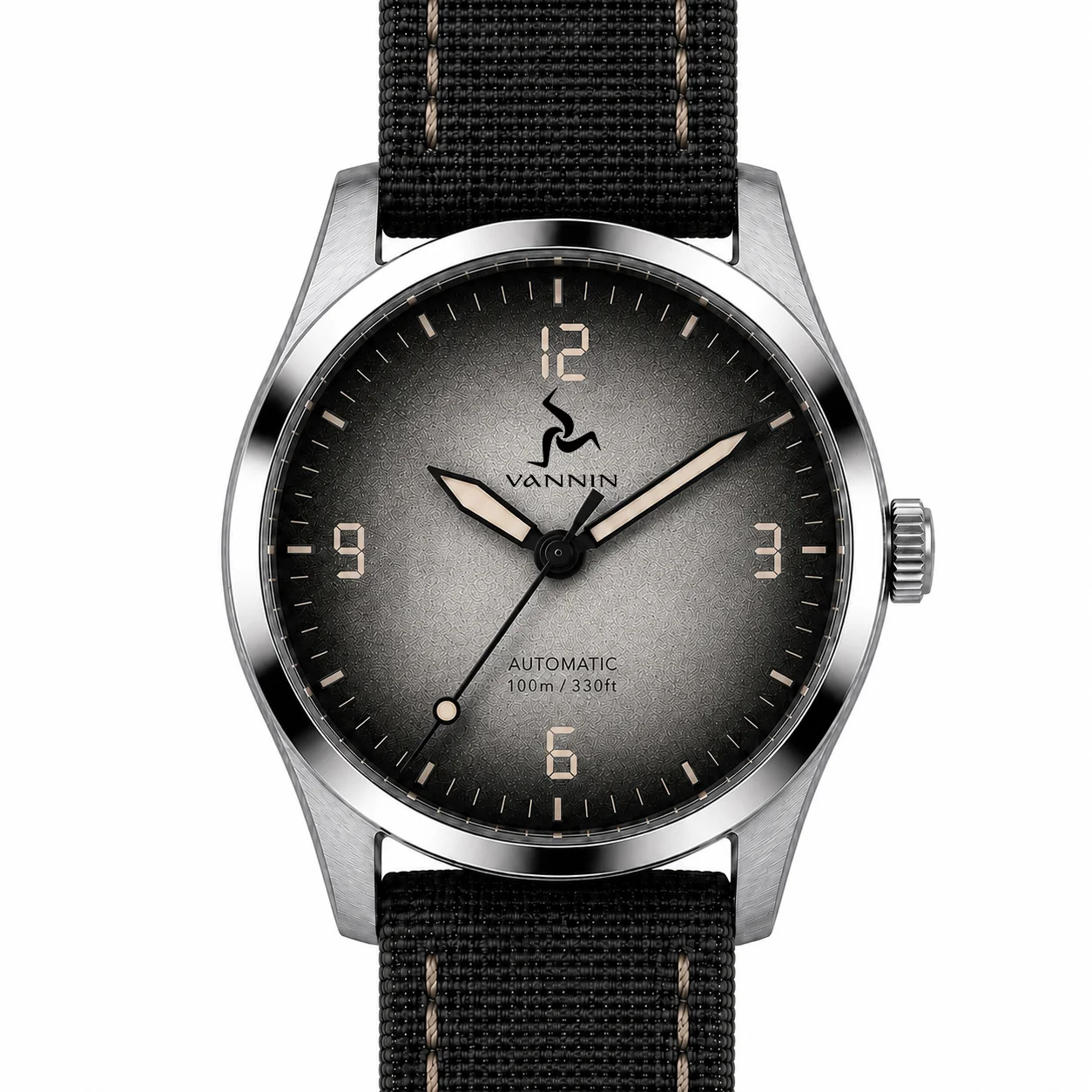
Our dial has segmented numerals at 12, 3, 6 and 9 o’clock. We wanted them to be the main thing on the dial, so personally I don’t think a date window would have balanced it out.
I’ve got nothing against dates. I own plenty of watches with them on. But they didn’t fit on this design.
The Miyota 9039 is a proper no-date movement. We aren’t taking a date movement and hiding the display under the dial.
Have you ever pulled the crown out on a no-date watch and found that there is an extra position? One that does nothing? It’s one of those little things that bugs me.
With the 9039 we avoid that. It sounds so small, but when you’re building a watch from scratch, getting the small things right counts.
Something else gave me confidence in our choice: some great independent watch brands already use this movement.
And one of them makes a watch I really like: Baltic.
I’ve been a fan of Baltic for ages (especially the Aquascaphe collection). In my opinion it’s fantastic. I love the vintage styling, the proportions and how Baltic creates something different without charging ridiculous amounts of money.
The Aquascaphe MK2 is a great example. The no-date versions use the Miyota 9039, and the date models use the related Miyota 9015.
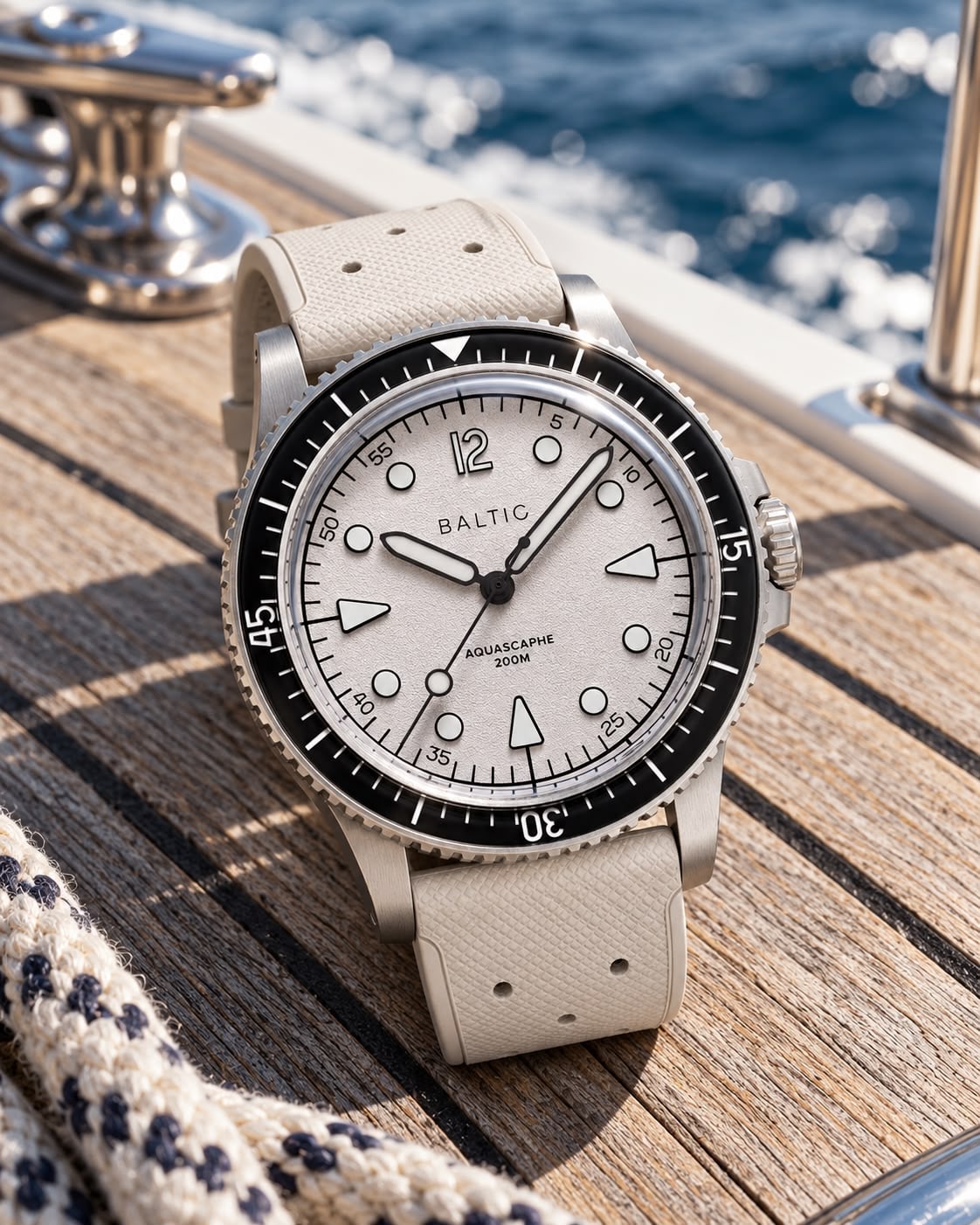
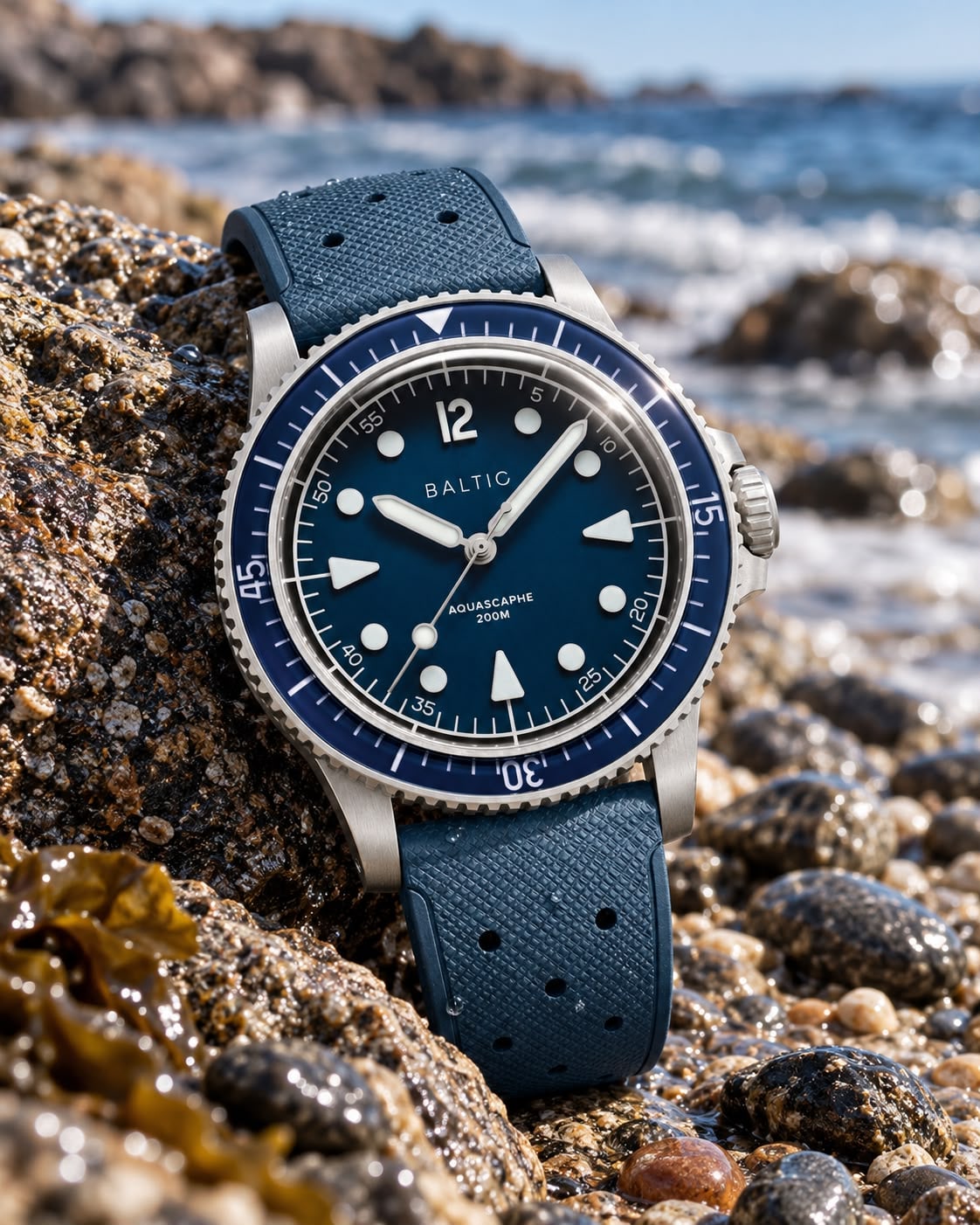
Baltic has earned its reputation through design, specification and attention to detail. The movement is important, but nobody buys an Aquascaphe just for the movement. It’s the whole package, and that’s what I like about it.
I’m not saying that using the same movement puts Vannin on Baltic’s level (they’ve earned their reputation and we must earn ours), but it’s nice to know that the calibre we chose is used in a watch I really admire.
And Baltic isn’t the only one. Lorier and Traska have used the Miyota 9039 too. These are independent brands that collectors know and respect, and if they’re happy building watches around it, we’re in pretty good company.
Seiko movements are everywhere in the microbrand world — and for good reason. They’re affordable, readily available and reliable.
The Seiko NH38 was an obvious comparison because it’s also a no-date automatic movement, but there are two things that mattered to us.
First, beat rate. The NH38 runs at 21,600 vibrations per hour (3Hz) and the Miyota 9039 runs at 28,800 (4Hz).
In everyday language, the Seiko’s seconds hand moves six times per second and the Miyota’s eight. That gives the Miyota a smoother sweep.
Does that necessarily make it more accurate? No. But I love the smoother sweep of a seconds hand, and that’s what I wanted for our watch.
The second difference is thickness. The NH38 is 5.32mm thick (the Miyota only 3.9mm), so there’s 1.42mm between them.
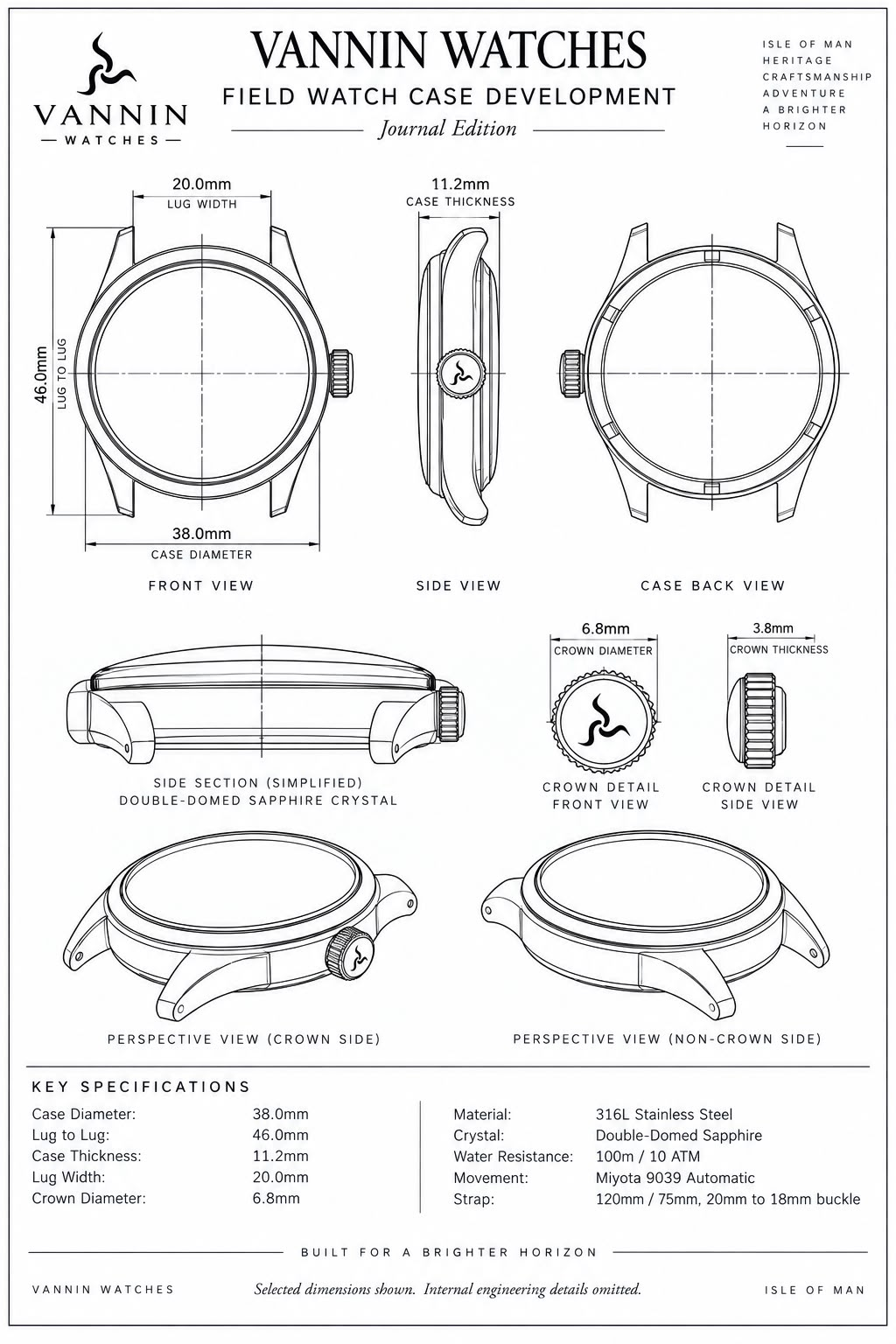
You might think that’s insignificant, but when you’re working on case proportions, every millimetre counts. Our Field Watch has a 38mm stainless steel case, and we didn’t want it to feel bulked out.
A slimmer movement means we have more room within the case. It doesn’t guarantee a thinner finished watch, but it’s a good place to start.
I’ve owned plenty of Seiko-powered watches, so this isn’t a criticism of them. The NH38 is fine. For our design, however, the Miyota made more sense.
We could have chosen a Sellita SW200-1 instead. And let’s be honest, Sellita makes great movements. You’ll find them inside watches from well-established Swiss brands.
Like the Miyota, the SW200-1 runs at 28,800 vibrations per hour, so both have that smooth 4Hz sweep. Both have hacking seconds and manual winding.
But the Sellita is 4.6mm thick compared with 3.9mm for the Miyota. Again, the extra room that gives us was useful when we started thinking about case design.
Power reserves are close too: about 42 hours for the Miyota and typically 41 for the SW200-1. Some grades of Sellita have tighter factory regulation and finer finishing, so that’s worth noting.
I own and like Swiss watches. I’m not going to pretend Swiss movements aren’t great, because they are, but that doesn’t mean a Swiss movement is the right choice in every case.
But Andy and I kept coming back to one question:
Would putting a Swiss movement inside our Field Watch make it a better watch?
Not a better product description. Not a more prestigious name. A genuinely better watch for the person wearing it.
We wanted to focus on the whole package: dial design, case finishing, proportions, comfort and mechanical performance. For those priorities the 9039 had the right balance, without choosing a Swiss movement just because it’s from Switzerland.
Here are the numbers that influenced us.
- Origin: Japan
- Beat rate: 28,800 vph (4Hz)
- Thickness: 3.9mm
- Power reserve: Approx. 42h
- No-date design: Yes
- Hacking seconds: Yes
- Manual winding: Yes
- Origin: Japan or Malaysia
- Beat rate: 21,600 vph (3Hz)
- Thickness: 5.32mm
- Power reserve: Over 41h
- No-date design: Yes
- Hacking seconds: Yes
- Manual winding: Yes
- Origin: Switzerland
- Beat rate: 28,800 vph (4Hz)
- Thickness: 4.6mm
- Power reserve: Typical 41h
- No-date design: The standard version has a date
- Hacking seconds: Yes
- Manual winding: Yes
These figures are published movement specifications. How well a finished watch performs will depend on many factors.
Looking at those numbers, you can see what we were thinking. We have a real no-date movement, a 4Hz beat rate, a slim profile and all the features we wanted. No movement wins every comparison, but the Miyota made the most sense for this project.
There’s another question I think matters too, particularly when you’re buying from a new independent brand: what happens in five or ten years?
If you’re spending your money on a mechanical watch, you want to know that it can be maintained and enjoyed long after the day you open the box.
The 9039 isn’t some obscure movement made for only one model. It’s part of a family produced by a major manufacturer and used by many brands.
That gives us confidence about its long-term use. Mechanical watches eventually need attention, and no one can guarantee parts availability forever, but picking a widely used movement is a sensible starting point.
Because for me, owning a watch isn’t just about how cool it looks in photos when it launches. It’s also about being able to enjoy it years later.
Two practical things to mention are hacking seconds and manual winding.
Hacking means that when you pull out the crown to set the time, the seconds hand stops. Then you can synchronise it with a reference clock.
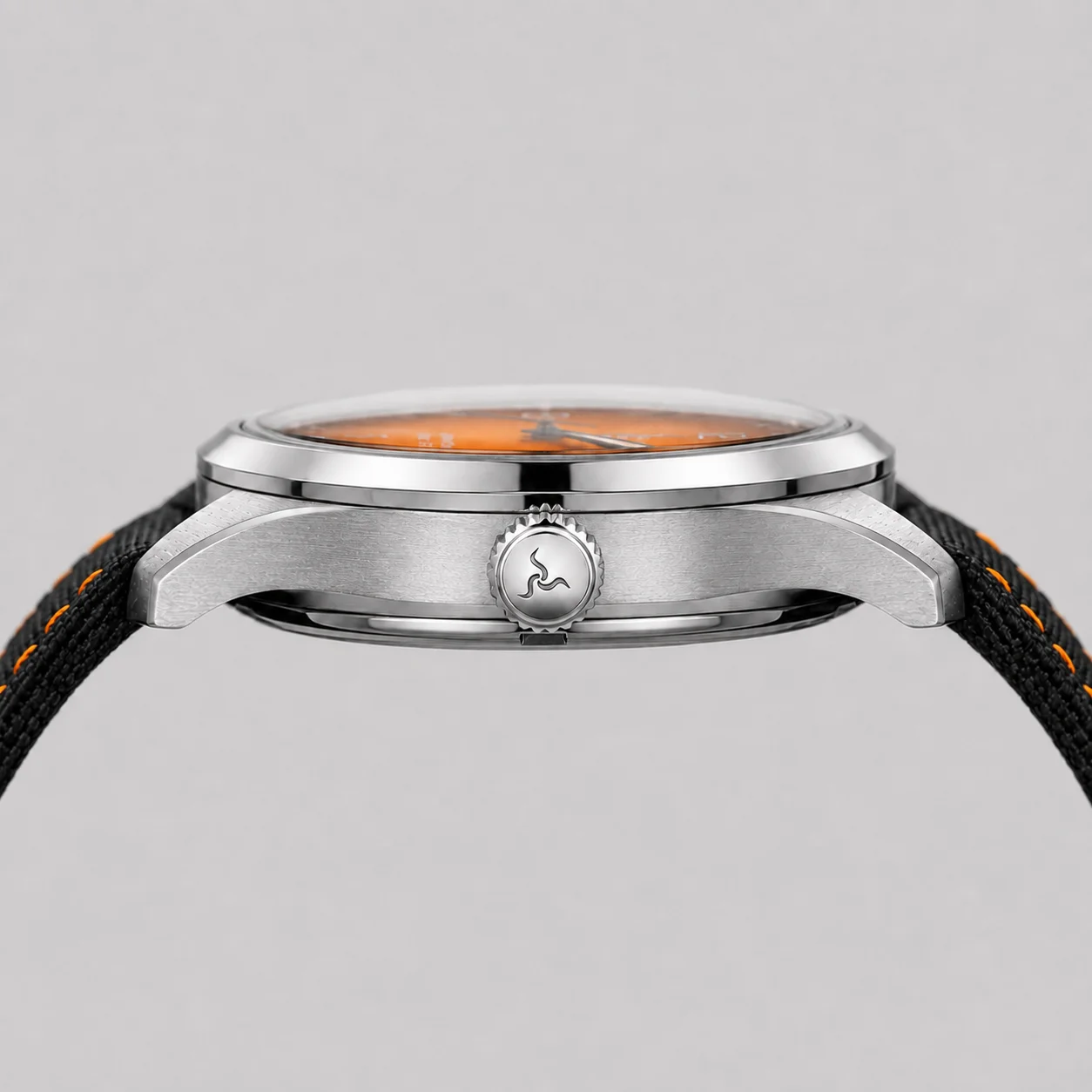
Manual winding means you can wind the watch with the crown. If it’s been in a drawer and stopped, you don’t have to shake it around; just wind it, set the time and you’re ready.
Neither feature is revolutionary (and plenty of movements have both), but they’re useful. Sometimes the features you end up liking most are the ones that make everyday ownership easier, rather than the ones that sound impressive in an advert.
This is something I think watch brands need to be honest about.
Miyota says -10 to +30 seconds per day for the 9039. That doesn’t mean every example gains thirty seconds or loses ten every day. It’s what the manufacturer publishes as tolerance.
Real-world accuracy depends on regulation, wearing habits, position and so on. Some individual movements perform better than the stated range.
But until we’ve tested our own production watches properly, I’m not going to quote accuracy figures we don’t know. I’d rather tell you exactly what we know than make claims we can’t back up.
And there is one more thing. I wanted us to pick a movement that I could talk about confidently as a collector, not just defend as a brand owner. That matters to me.
Well, obviously, I think we did.
We didn’t buy the Miyota 9039 because it was cheapest, or to win an argument about Japanese vs Swiss movements.
We chose it because it ticked all the boxes — genuine no-date, smooth 4Hz beat rate, slim 3.9mm profile, hacking seconds, manual winding and Japanese engineering.
Brands like Baltic, Lorier and Traska using it gives me reassurance too.
But a great watch is more than a movement. It’s how it looks; how it sits on your wrist; whether you enjoy wearing it.
That’s what Andy and I want from Vannin: watches we’d own ourselves.
And for our first Field Watch, the Miyota 9039 seemed like the right place to start.
Peter Jones
Co-founder, Vannin Watches