
Island Stories
An Island of Watchmakers
John Harwood, George Daniels, Roger W. Smith and the watchmaking history of the Isle of Man
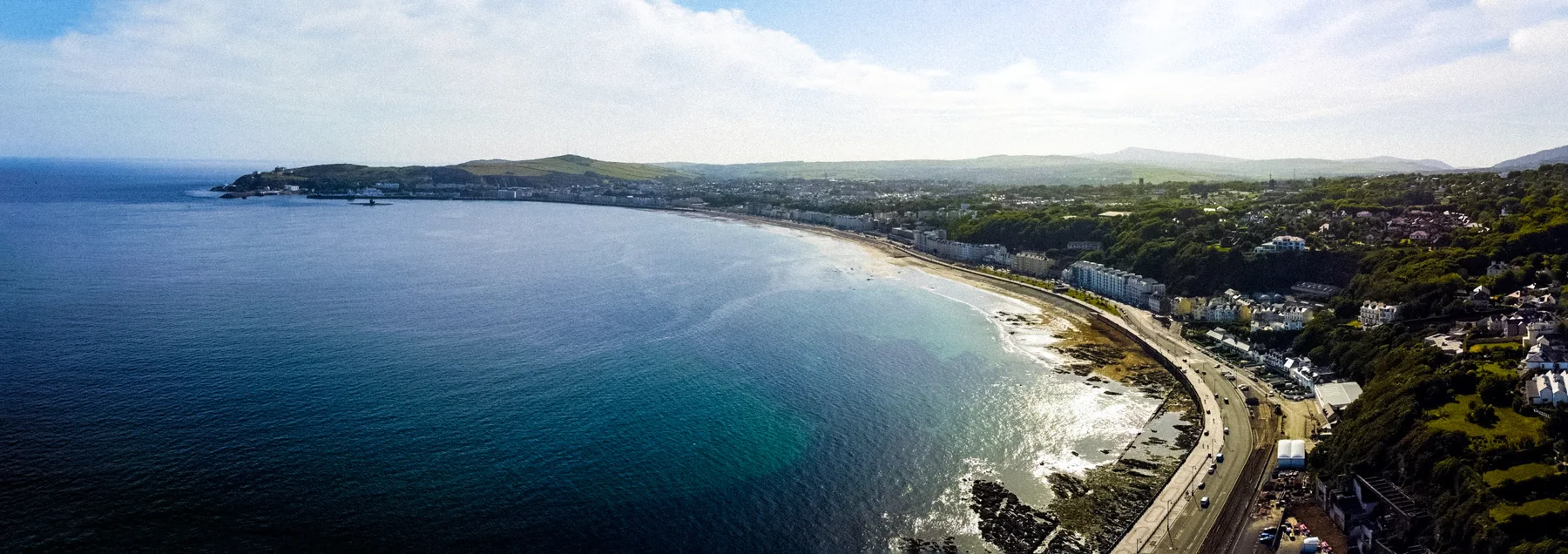
One of the things I've become more interested in since starting Vannin Watches is the watchmaking history of the Isle of Man.
I knew about George Daniels and Roger W. Smith, obviously, and I knew there was a connection with the Island.
But the more I've looked into it, the more I've thought the same thing.
Why isn't this talked about more?
When people think about watchmaking, they normally think of Switzerland.
Geneva.
Biel.
The Vallée de Joux.
Glashütte.
Very few people are going to immediately say the Isle of Man.
But for such a small Island, our history in horology is actually incredible.
John Harwood.
George Daniels.
Roger W. Smith.
Three completely different watchmakers, from three different generations, all with a major connection to the Isle of Man.
And these aren't just people who happened to make a few watches here.
They genuinely changed watchmaking.
That's something I think we should be incredibly proud of, and it's something we want to talk about a lot more through Vannin Watches.
The first name is John Harwood.
Harwood was born in Bolton in 1893 and trained as a watch repairer. After the First World War, he moved to the Isle of Man and worked as a watch repairer.
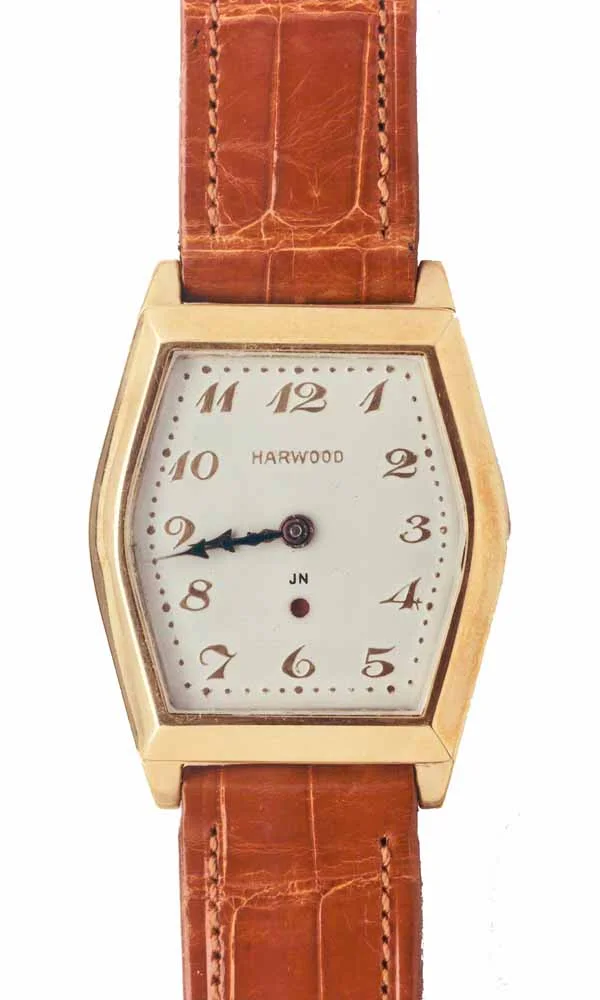
And this is where the story gets really interesting.
Through repairing watches, Harwood became interested in one of the obvious weak points of a wristwatch at the time.
The winding crown.
A traditional mechanical watch needed to be wound by hand, and the opening around the winding stem was another place where dust and moisture could potentially get inside the case.
Harwood started thinking about whether there was another way of doing it.
What if the watch could wind itself while you were wearing it?
Self-winding systems had existed in pocket watches before this, but putting the idea into a wristwatch was a completely different challenge.
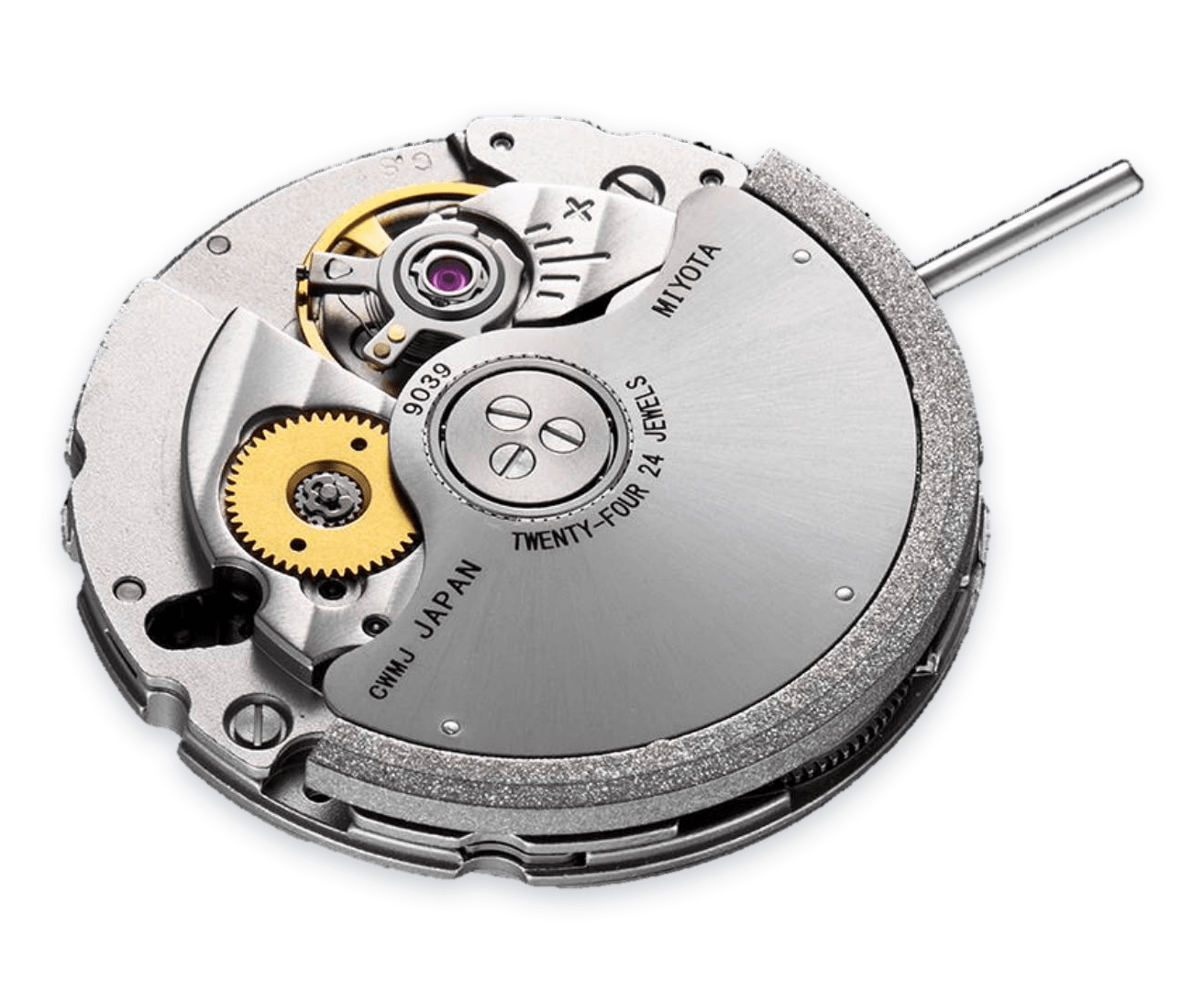
Harwood developed a system using an oscillating weight inside the watch, which moved with the wearer and used that movement to wind the mainspring. The weight moved through a limited arc, rather than rotating freely.
He even removed the normal winding crown completely, with the time adjusted using the bezel instead.
He filed his British patent application on 7 July 1923, and the design would eventually go into production with Swiss manufacturing partners.
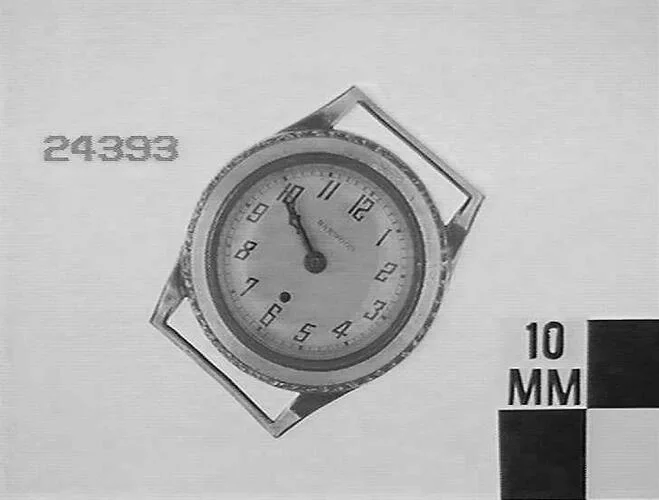
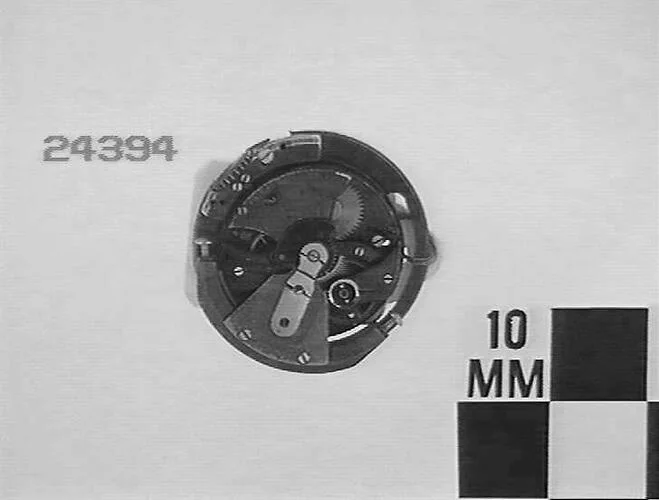
I think sometimes we forget just how significant that is because automatic watches are completely normal to us now.
You put your watch on in the morning.
You wear it.
You move around.
The watch winds itself.
We don't even really think about it.
But one of the important early developments of the automatic wristwatch came from a watchmaker working here on the Isle of Man.
That's an incredible bit of Isle of Man watchmaking history.

Then we get to George Daniels.
And this goes to another level.
If you're into watches, George Daniels probably doesn't need much of an introduction.
He's one of the most important watchmakers of the modern era.
What I find fascinating about Daniels is that he wasn't just interested in making watches.
He wanted to understand and master the whole thing.
The movement. The case. The dial. The hands. The escapement. The finishing. Everything.
He believed that a watchmaker should be able to create almost an entire watch themselves, and that approach eventually became known as the Daniels Method.
But Daniels wasn't just trying to preserve traditional watchmaking.
He was still trying to improve it.
That's the bit I really like.
At a point where you could easily have argued that the mechanical watch had already been perfected over hundreds of years, Daniels was still looking at it and thinking there had to be another way of doing things.
The biggest example of that is obviously the Co-Axial escapement.
Daniels wanted to reduce the sliding friction found in the traditional Swiss lever escapement and reduce its reliance on lubrication.
So he developed his own solution.
The Co-Axial escapement.
What came next wasn't easy. He spent years trying to convince the watch industry to take the idea seriously. Eventually Omega did. In 1999, Omega introduced the Co-Axial escapement into production watches.
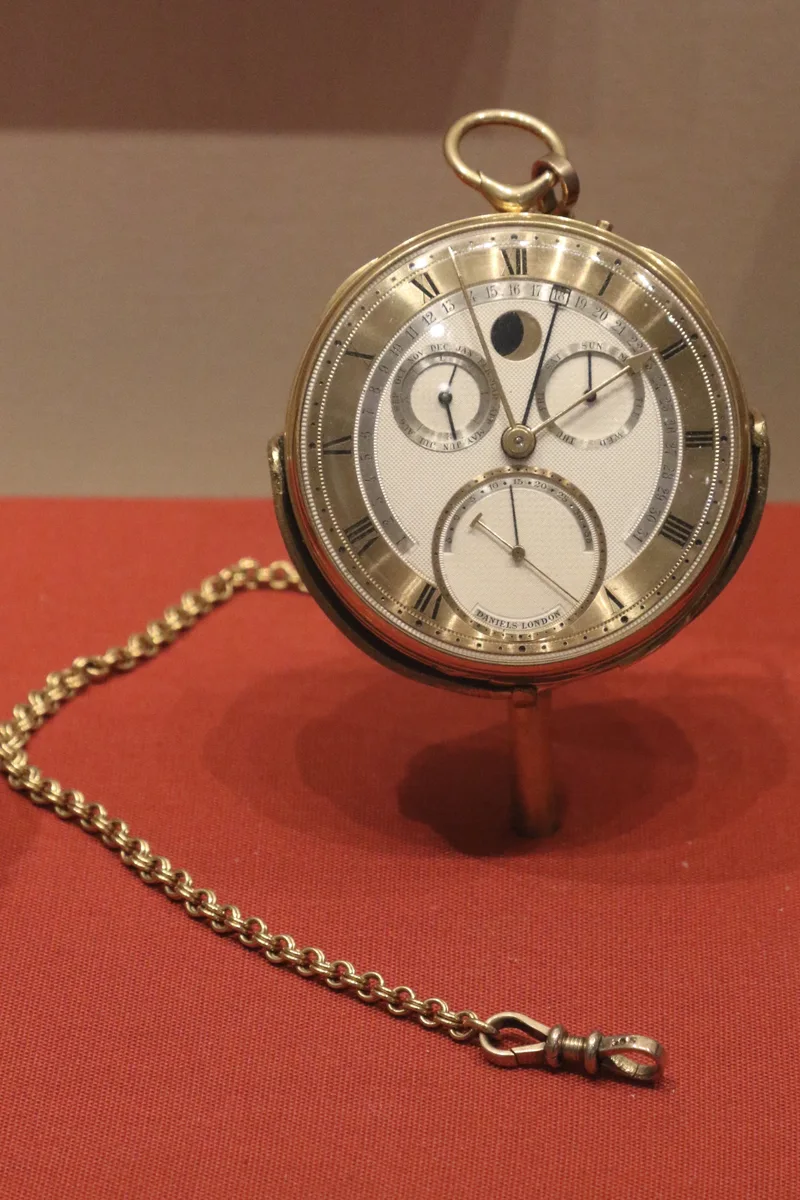
Today, every watch collector knows the name. Co-Axial is now a huge part of Omega. But behind it was George Daniels and decades of work developing and proving the idea.
And again, a huge part of that story happened here on the Isle of Man.
I think that's pretty special.

Then we have Roger W. Smith. And Roger's story is probably the one that really shows how difficult proper watchmaking is.
While studying at the Manchester School of Horology, Roger went to a lecture given by George Daniels. That changed everything for him.
He decided he wanted to make a watch completely by hand. And I mean actually make it. Not buy a movement and modify it. Not order a load of components and assemble them. Make the watch.
He spent eighteen months making his first pocket watch and took it to the Isle of Man to show George Daniels.
Daniels rejected it. He basically felt it looked too handmade.
Now imagine that. You've spent eighteen months making a watch from scratch, you take it to one of the greatest watchmakers in the world and he tells you it isn't good enough.
It would have been very easy to stop. Roger didn't.
He went away and started again. His second pocket watch took five and a half years to finish. During that time, as his skills improved, he remade parts because they were no longer good enough for the standard he'd reached.
Eventually, in early 1997, he returned to the Isle of Man and showed the finished watch to Daniels. This time Daniels accepted him as a watchmaker.
In 1998, Roger moved to the Isle of Man to work alongside Daniels on the Millennium series.
Then in 2001, Roger W. Smith Ltd was established here on the Island. It started from a converted bedroom in his cottage in Ballaugh.
Today, Roger and his team are still making watches on the Isle of Man, using many of the principles of the Daniels Method and continuing to develop independent watchmaking.
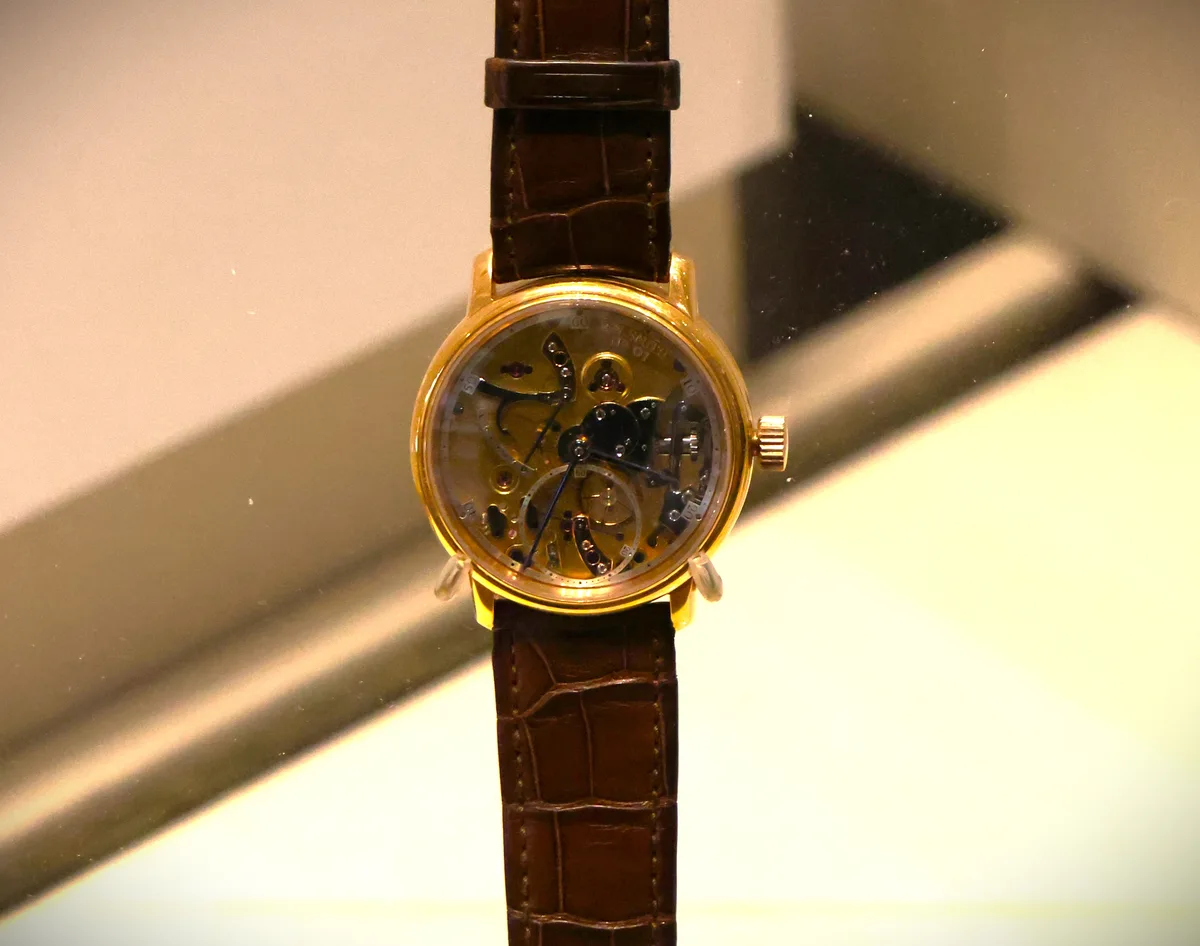
And we're talking about some of the most respected independent watches in the world.
Made here. On the Isle of Man.
When you put all of this together, I think you start to see why I find it so interesting.
John Harwood was trying to change the way we wind a wristwatch. George Daniels was trying to improve one of the most important mechanical systems inside the watch. Roger W. Smith has carried that style of traditional watchmaking into another generation and continues to develop it today.
Three very different people. Three completely different periods of watchmaking. But all connected by the Isle of Man.
In 2020, the Isle of Man Post Office celebrated this history with its Master Watchmakers of the Isle of Man stamp collection featuring Harwood, Daniels and Smith.
And I think that's brilliant. Because it recognises that the Isle of Man has a genuine place in the history of horology.
The problem is, I don't think enough people know about it.
This is really the reason I wanted to write this.
When we started Vannin Watches, we didn't want to create a watch company that could have come from anywhere. It had to be Manx.
The Isle of Man isn't something we've added afterwards because it makes a good marketing story. It's the whole reason Vannin exists.
The name. The designs. The colours. The stories behind the watches. The company itself. It's all connected to the Island.
And the more we've learned about our watchmaking history, the more important that connection has become.
But I also want to be very clear about something. We're not trying to put Vannin Watches alongside John Harwood, George Daniels or Roger W. Smith. We're nowhere near that.
Those names earned their place in watchmaking history through decades of work, skill, invention and determination. We're a new watch company at the beginning of our journey.
But I don't think there's anything wrong with looking at what came before you and saying: That's the standard.
Not because we're trying to copy what they did. We're not trying to make a George Daniels watch. We're not trying to be Roger W. Smith. We're trying to build Vannin.
But we're doing it on an Island that already has an incredible history in watchmaking. For me, that makes what we're building even more exciting.
One of our goals with Vannin is to make more people in the watch community aware of the Isle of Man. Not just Vannin Watches. The Island itself.
If somebody discovers one of our watches and that leads them to read about John Harwood, brilliant. If they discover George Daniels and start reading about the Co-Axial escapement, brilliant. If they find out that Roger W. Smith is still making some of the world's finest watches here today, even better.
Because this isn't Vannin's history.
It's the Island's history.
We don't own it.
But we can absolutely be proud of it. And we can help tell people about it.
I think that's important.
I'd be lying if I said we didn't think about it. Of course we do.
Would I love to think that in twenty, thirty or fifty years somebody writing about watches and the Isle of Man might mention Vannin Watches? Absolutely. That would be incredible.
But you can't just decide you're going to be part of watchmaking history. And you definitely can't write yourself into it. You have to earn it.
For us, that means making the best watches we possibly can. It means getting the details right. It means not rushing things just because we want to get a watch out. It means listening, learning and improving.
And hopefully it means building a watch company on the Isle of Man that is still here for a very long time.
We're right at the beginning. John Harwood, George Daniels and Roger W. Smith have already shown just how much watchmaking history can come from this little Island.
Our job now is to build Vannin properly. And hopefully, one day, we might earn a small place in that story too.
Until then, we'll keep making watches and we'll keep telling people about the incredible horological history of the Isle of Man. Because I genuinely think more people need to know about it.
Peter Jones